-
Between Hope and Despair
Yom Hazikaron and Yom Ha'atzmaut 2024 Resources
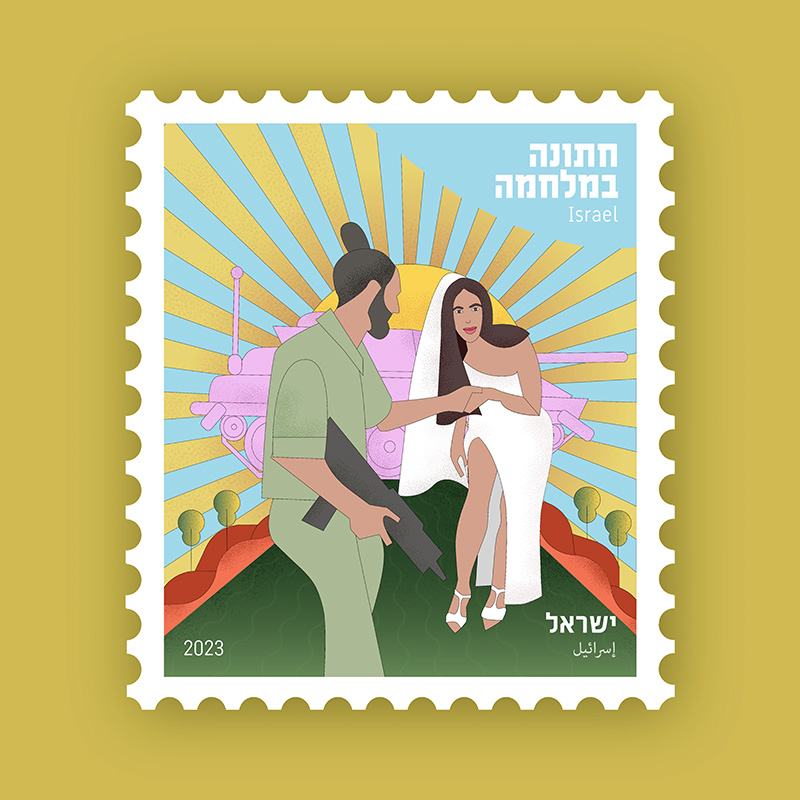
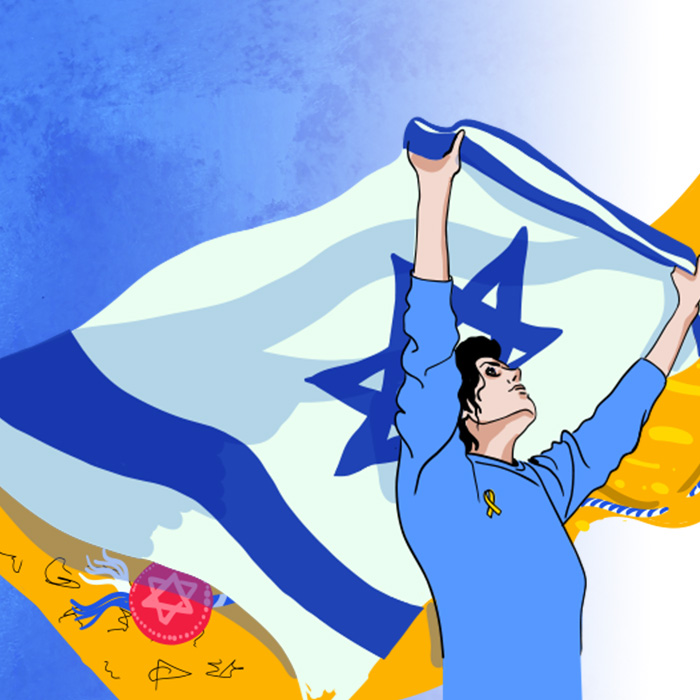
The iCenter’s new educational companion equips educators in navigating the complexities of 2024. Through photography, music, poetry, and art, we examine diverse perspectives which enrich our understanding of Israel’s journey.
LEARN MORE -

Educating in a Time of Crisis
As events continue to unfold in Israel, we will provide ongoing opportunities to learn and engage in conversation. Turn to The iCenter for support, one-on-one guidance, and a network grappling together to find ways to …
LEARN MORE -
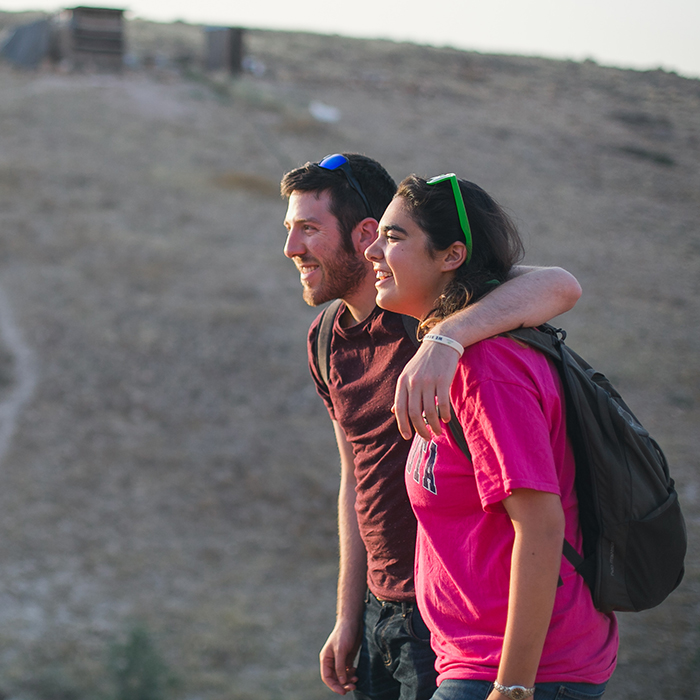
Conflicts of Interest
Engaging with conflicts is one of life’s defining challenges—particularly for educators who are tasked with transforming these moments of uncertainty into moments of opportunity. In essence, education is the art of turning conflict into growth.
LEARN MORE -
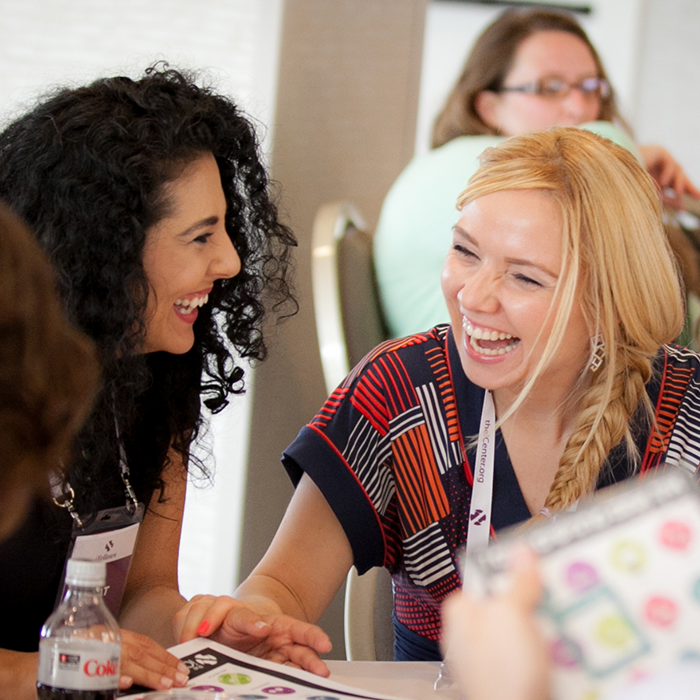
iFellows
Master's Concentration in Israel Education
The iFellows Master’s Concentration in Israel Education nurtures and challenges the current and next generation of educational leaders and clergy committed to the integral role of Israel in contemporary Jewish life.
LEARN MORE -
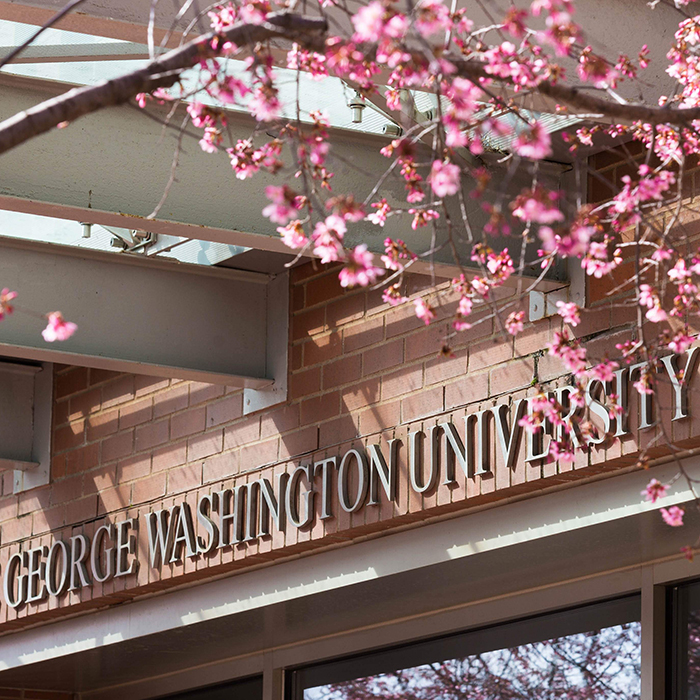
Graduate Degree in Israel Education
at the George Washington University
Created through a partnership between The iCenter and GWU, this academic degree offers professionals the inspiration and strategies to place Israel Education at the heart of Jewish communal life.
LEARN MORE -
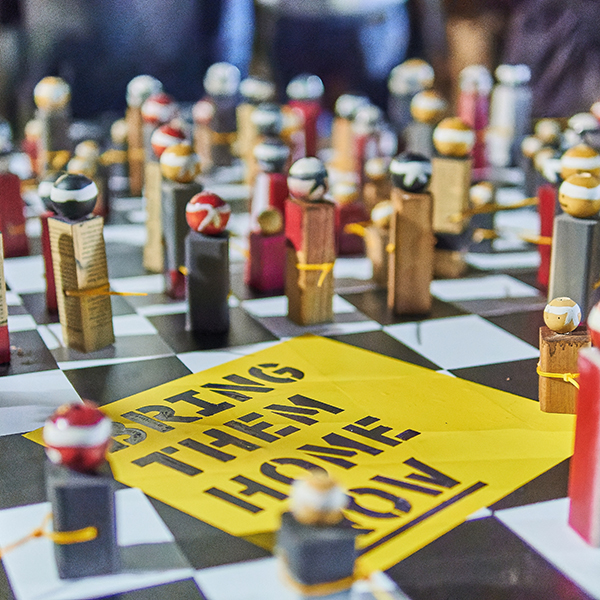
A Mifgash That Matters
Connect with North American and Israeli educators to experience the Israel of today—firsthand and together. Navigate this new reality, fortify educational strategies, and explore its profound impact. Join us in this essential dialogue.
LEARN MORE
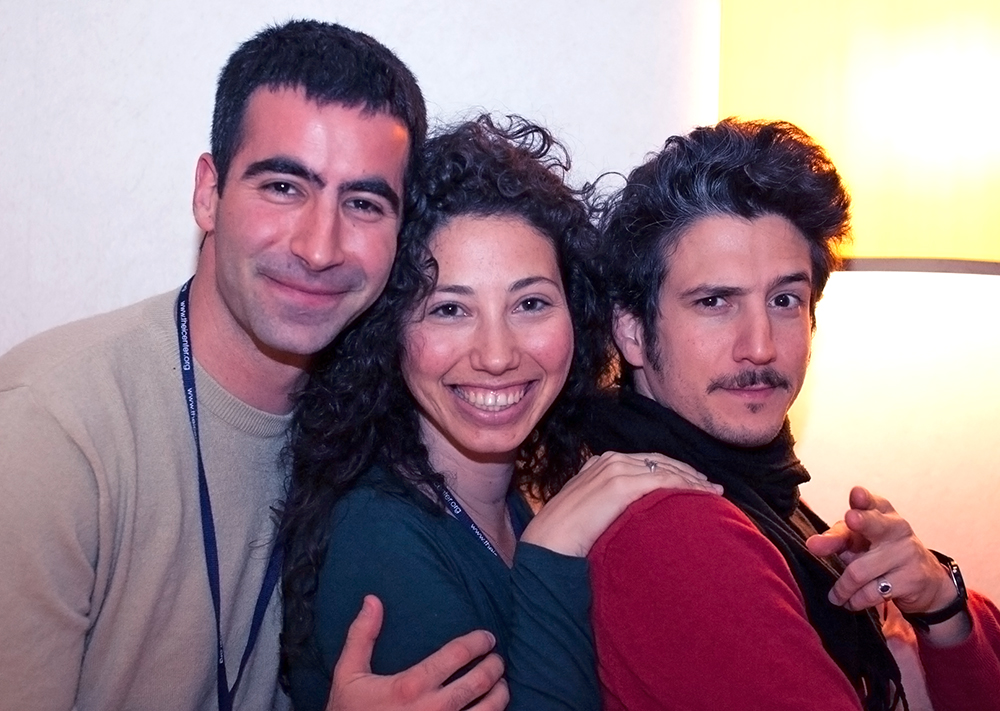
התרומה שלנו
Our Impact
Over a Decade of The iCenter
Discover The iCenter’s story and learn about our impact on Israel education.
LEARN MOREהאלף בית של חינוך לישראל
The Aleph Bet of Israel Education®
A set of core principles, approaches to content, and essential pedagogies that together constitute the building blocks for the field.
EXPLORE THE ALEPH BET


יוזמות
Initiatives
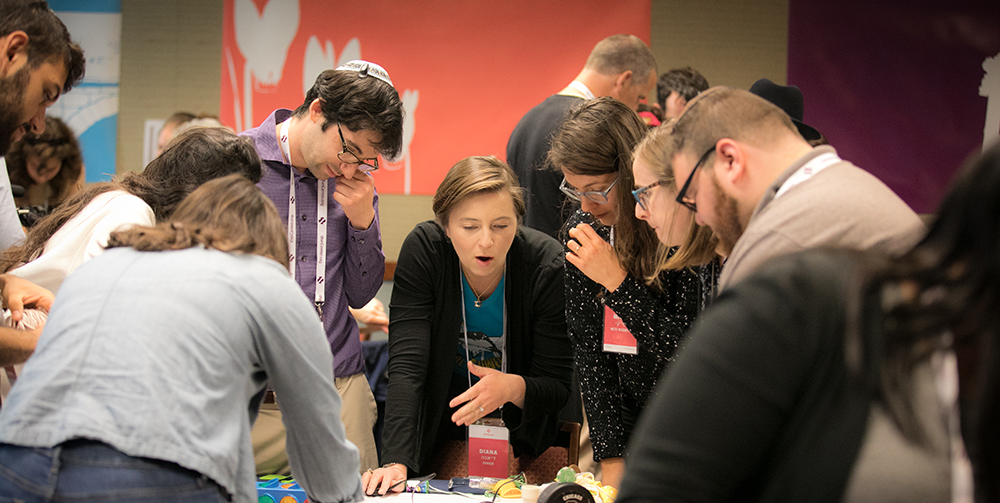
iCenter professional development experiences reach educators from day schools, synagogues, camps, youth movements, college campuses, JCCs, Federations, communities, and more.
View All Initiatives- Conflicts of Interest
- A Mifgash That Matters
- Graduate Degree in Israel Education at the George Washington University
- Community Initiatives
- iNfuse: Day Schools
- Public High School Hebrew
- Birthright Israel Fellows
- Israel @ Camp
- iFellows: Master’s Concentration in Israel Education
- iCON: Where Israel and Education Meet
משאבים
RESOURCES
At the heart of our approach is The Aleph Bet of Israel Education®. The resources we curate and create are designed to be learner-centered, feature the diversity of voices in Israeli life, and draw on genuine Israeli culture. Our goal is to create multiple entry points for educators to engage learners in meaningful and dynamic relationships with Israel.